
-
-
We are always in touch
-
231, Bitarap Turkmenistan Avenue
Oguzkent Residence, 106
Oguzkent Residence, 106
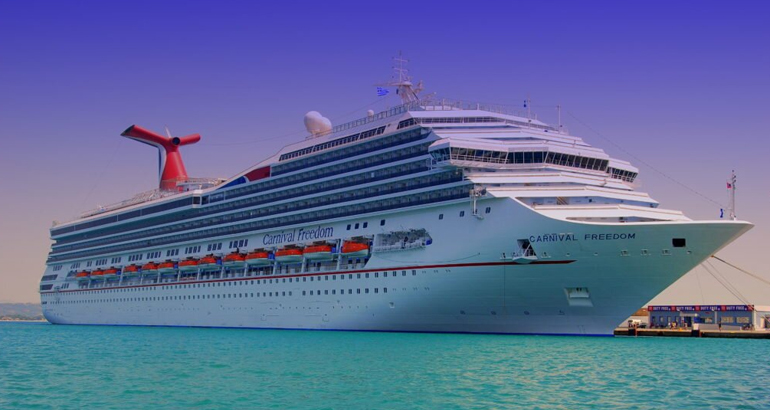
In 2025, the number of global cruise passengers exceeded 37 million for the first time, setting a new all-time high. According to the Cruise Lines International Association, this figure will exceed 38 million in 2026 and reach 42 million by 2029.
Despite economic instability, high energy prices, and international conflicts, the global cruise market continues to grow. Economists attribute this trend to changing consumer habits: many travelers prefer to enjoy vacations and new experiences, cutting back on spending on cars, furniture, and other goods.
A significant portion of cruise line revenue comes not from ticket sales, but from additional onboard services. Operators also generate a significant share of revenue from excursions, restaurants, spa programs, casinos, and beverage sales.
The United States remains the largest market for cruises, with 20.6 million cruises taken last year. Germany ranks second, with residents expected to take approximately three million cruises in 2025, a 10% increase from the previous year.
While the industry is growing, challenges remain. Due to the situation in the Middle East, cruise lines are reconsidering itineraries, while stricter environmental regulations require investment in the construction of more environmentally friendly ships and the use of new fuels. Furthermore, operators continue to recover from the impact of the pandemic. Despite this, analysts expect continued growth in global demand for cruises.