-
-
We are always in touch
-
231, Bitarap Turkmenistan Avenue
Oguzkent Residence, 106
Oguzkent Residence, 106
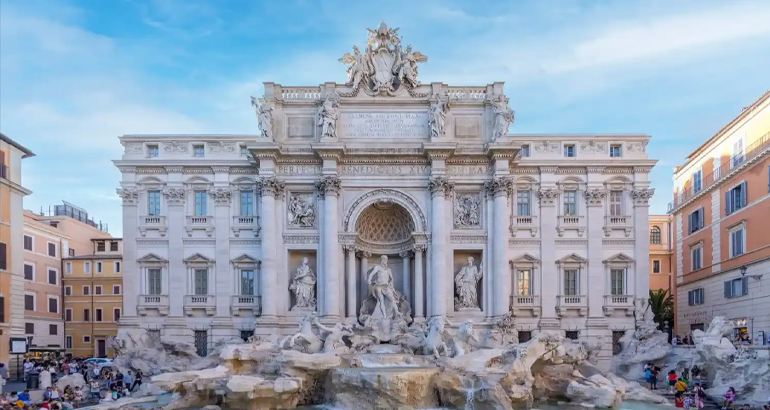
In the first nine months of 2026, approximately €1.24 million was collected from the Trevi Fountain in Rome—about €174,000 less than during the same period the previous year. This was reported by the radio station Roma Capitale, citing data from Caritas, a Catholic Church charity.
Between January and September 2025, tourists left about €1.42 million in the fountain. The total weight of the coins recovered also decreased by approximately 10–15%, amounting to 22,740.55 kg.
The decline in collections has been attributed to new access regulations for the monument. Since February, tourists have been required to pay €2 to descend to the water’s edge. Authorities introduced this entry fee to manage tourist traffic and help preserve the architectural structure.
Due to the barriers, many travelers now prefer to view the fountain from a distance, choosing not to toss coins into the water. The funds collected are used for the maintenance of the Trevi Fountain, various social programs, and assistance for those in need. Additionally, the money helps provide free tickets to city museums for residents of Rome.
The recovery of the coins is carried out in the presence of police officers. Between 2022 and 2025, Caritas directed approximately €7 million—collected from the fountain—toward charitable causes.
The Trevi Fountain was built between 1732 and 1762, based on a design by the architect Nicola Salvi. The central figure of the composition is Oceanus, shown taming the waters. Water is supplied to the fountain via an aqueduct that dates back to 19 BC.